
From Vibrant Communities to a Landscape of Desolation
A Firsthand Field Report from the Flood-Devastated Bhote Koshi–Trishuli Region of Nepal
Field Visit and Humanitarian Relief Report | October 2026Ark of Hope | Pokhara, Nepal “Bringing hope, healing, and dignity to communities in need.”
1. Returned from the Flood-Devastated Area
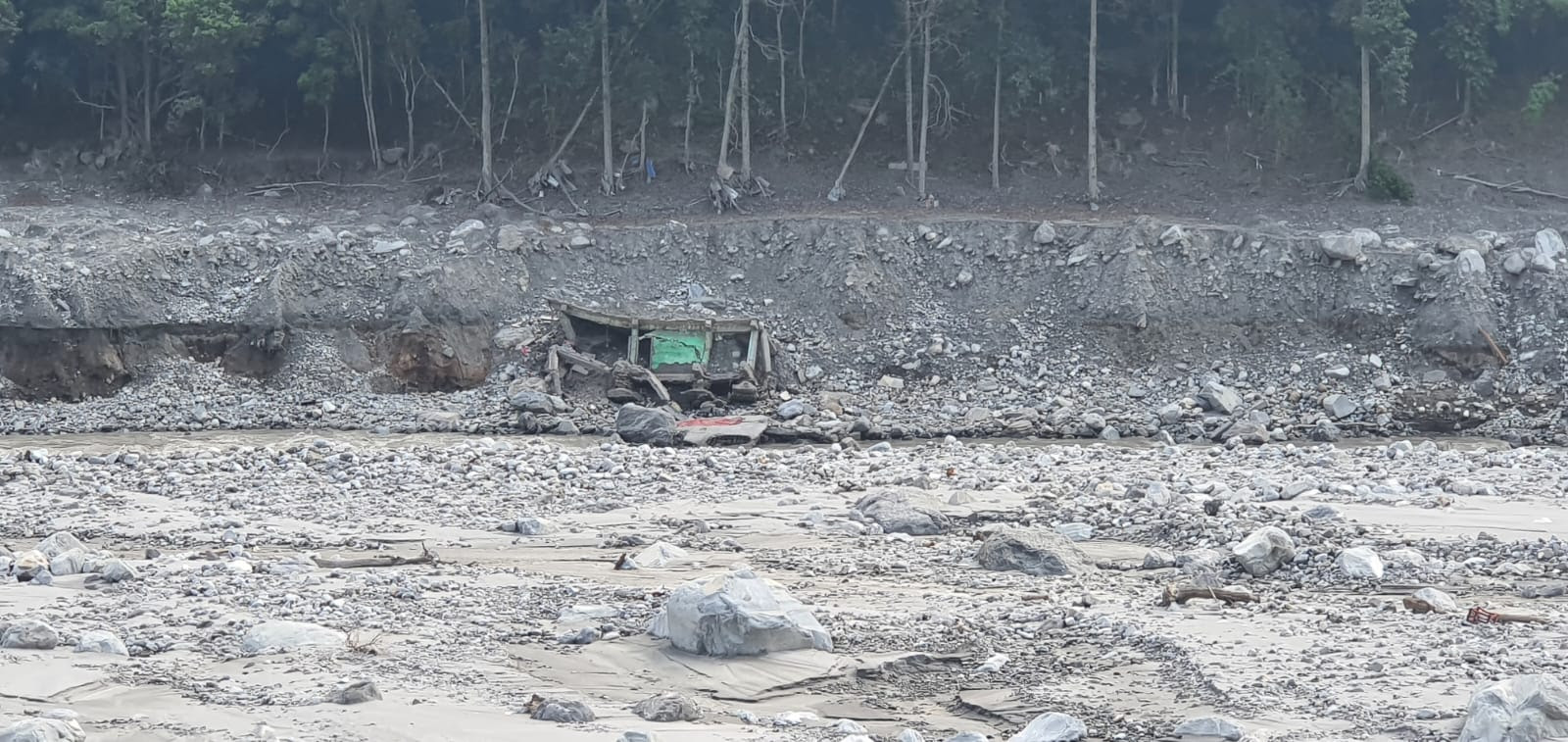
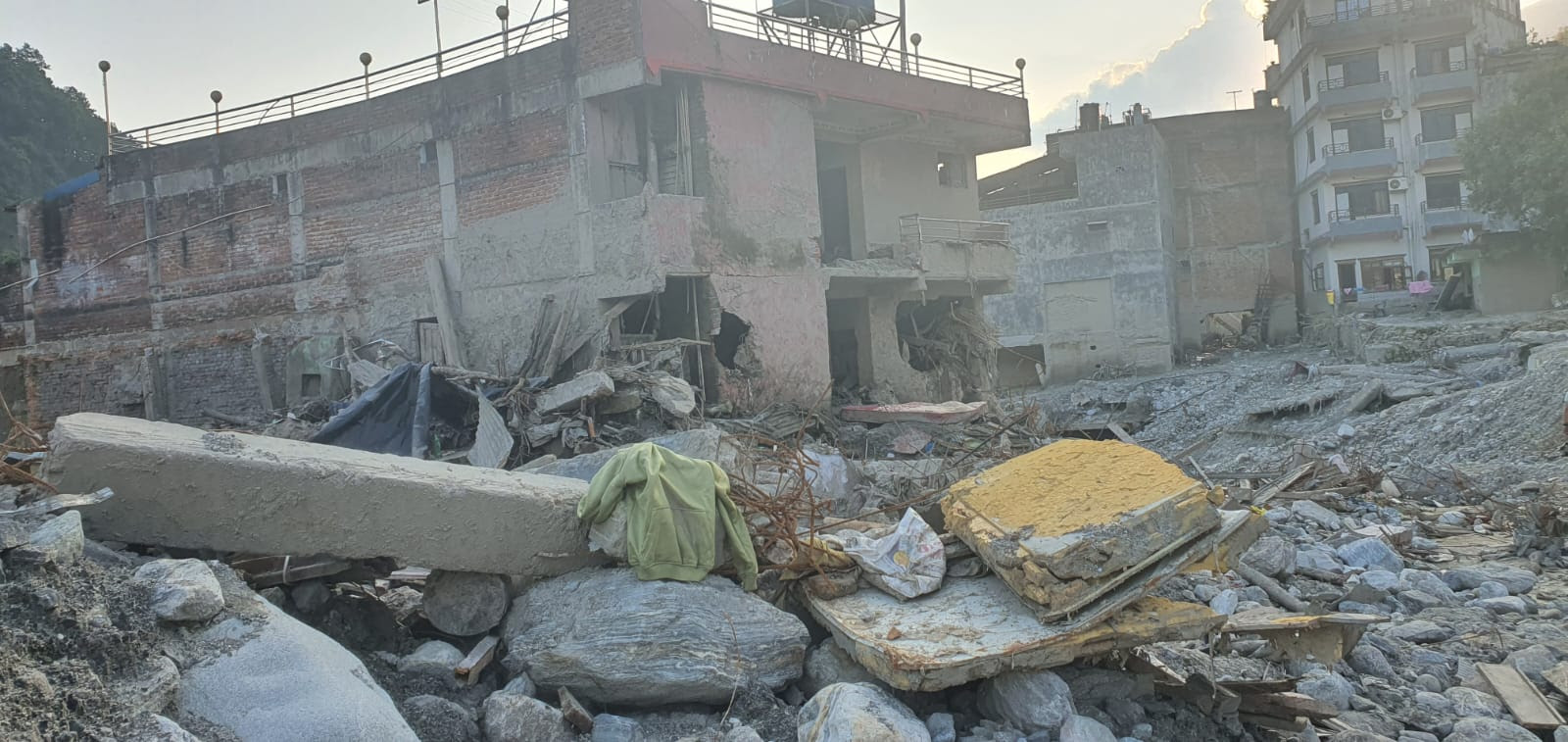
I have just returned from visiting the flood-devastated areas along the Bhote Koshi–Trishuli corridor. What I witnessed during this visit has deeply touched my heart and left me with a burden that is difficult to express in words.
Seeing the destruction with my own eyes was very different from hearing about it through news reports or seeing photographs. The damaged homes, ruined land, displaced families, and devastated communities revealed the enormous human cost of this disaster.
Places that were once full of life, activity, and opportunity now bear painful signs of destruction. Behind every damaged building, every buried field, and every family struggling to survive is a personal story of loss, uncertainty, and a future that suddenly looks very different.
As I walked through these affected areas and listened to the stories of the people, I was reminded that disasters do not destroy only physical structures. They also disrupt livelihoods, separate families from the places they call home, take away their sense of security, and leave many wondering how they will begin again.
For me, this was not simply a field visit. It was an opportunity to stand alongside people in their suffering, listen to their concerns, and offer whatever support we could.
2. Trishuli Bazaar: From a Bustling Business Town to Devastation
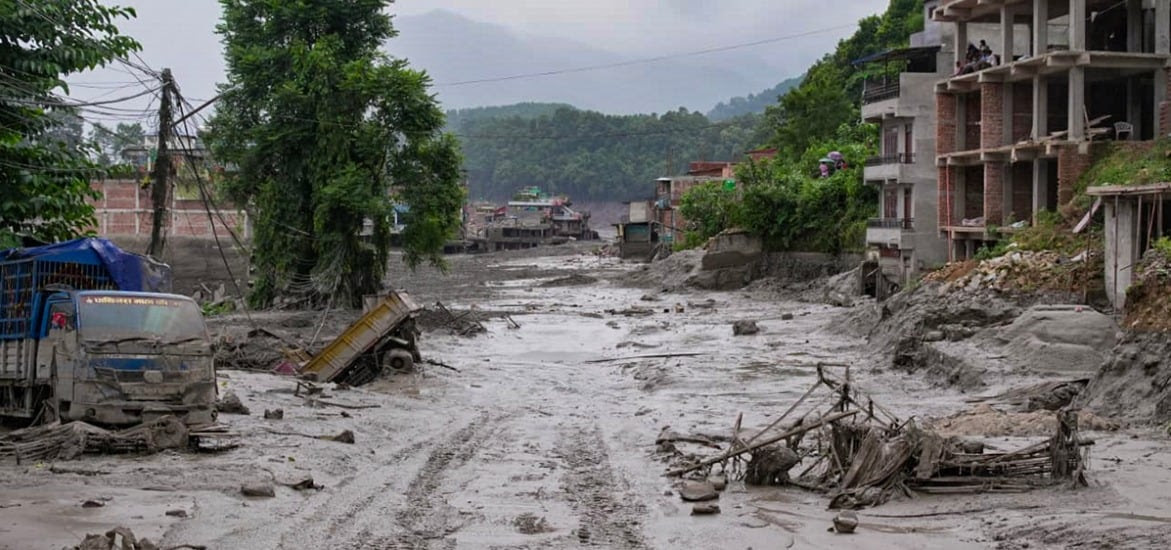
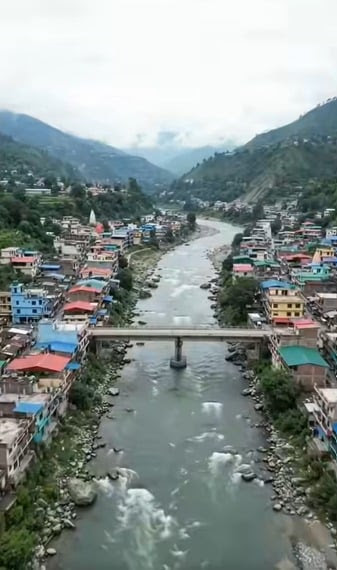
Before the disaster, Trishuli Bazaar was a beautiful, busy, and densely populated commercial town, serving as an important centre for surrounding communities. People travelled there for many different purposes—to buy and sell goods, conduct business, obtain supplies, access services, meet others, and continue their daily activities.
The bazaar was a place of movement and opportunity. Traders opened their shops, customers filled the marketplace, vehicles travelled along the roads, and people from surrounding villages came to conduct their business. Families depended on the town for their livelihoods, while shopkeepers, transport workers, and other local businesses relied on the regular flow of people.
It was more than a marketplace. It was a living community, where ordinary people worked hard to support their families and build a better future.
Then, in a matter of moments, the devastating flood of 26 August 2026 changed everything.
According to published reports, the flood swept away dozens of houses around Trishuli Bazaar and destroyed two motorable bridges over the Trishuli River. Nearby Devighat and other infrastructure were also affected. The destruction disrupted homes, businesses, transportation, and the livelihoods of many people.
Today, the contrast between the town’s former vibrancy and the devastation left behind is heartbreaking.
Where people once gathered to conduct business, families now face loss and uncertainty. Where houses once sheltered children and parents, destruction has left people without the security of home. Where businesses once provided income, many families are left wondering how they will earn a living and provide for their loved ones.
A place that once represented activity, connection, and opportunity has been deeply scarred by disaster.
It is painful to think that the familiar routines of an ordinary morning could be shattered so suddenly, leaving families to face a future they had never imagined.
3. Betrawati: A Sacred Pilgrimage Town Now Facing a Painful Reality
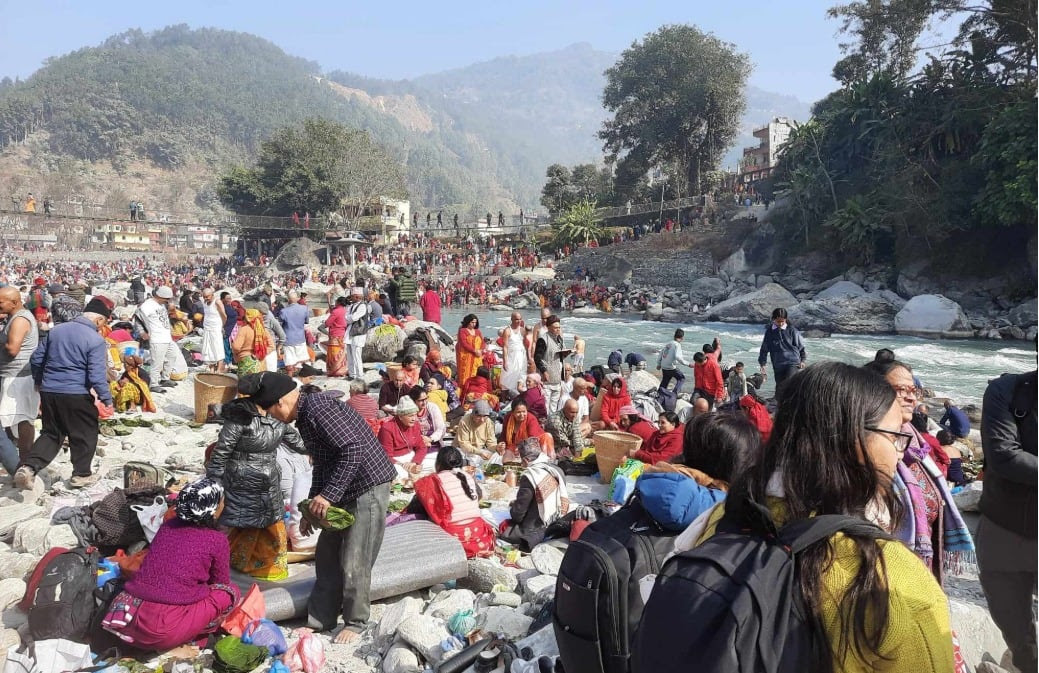
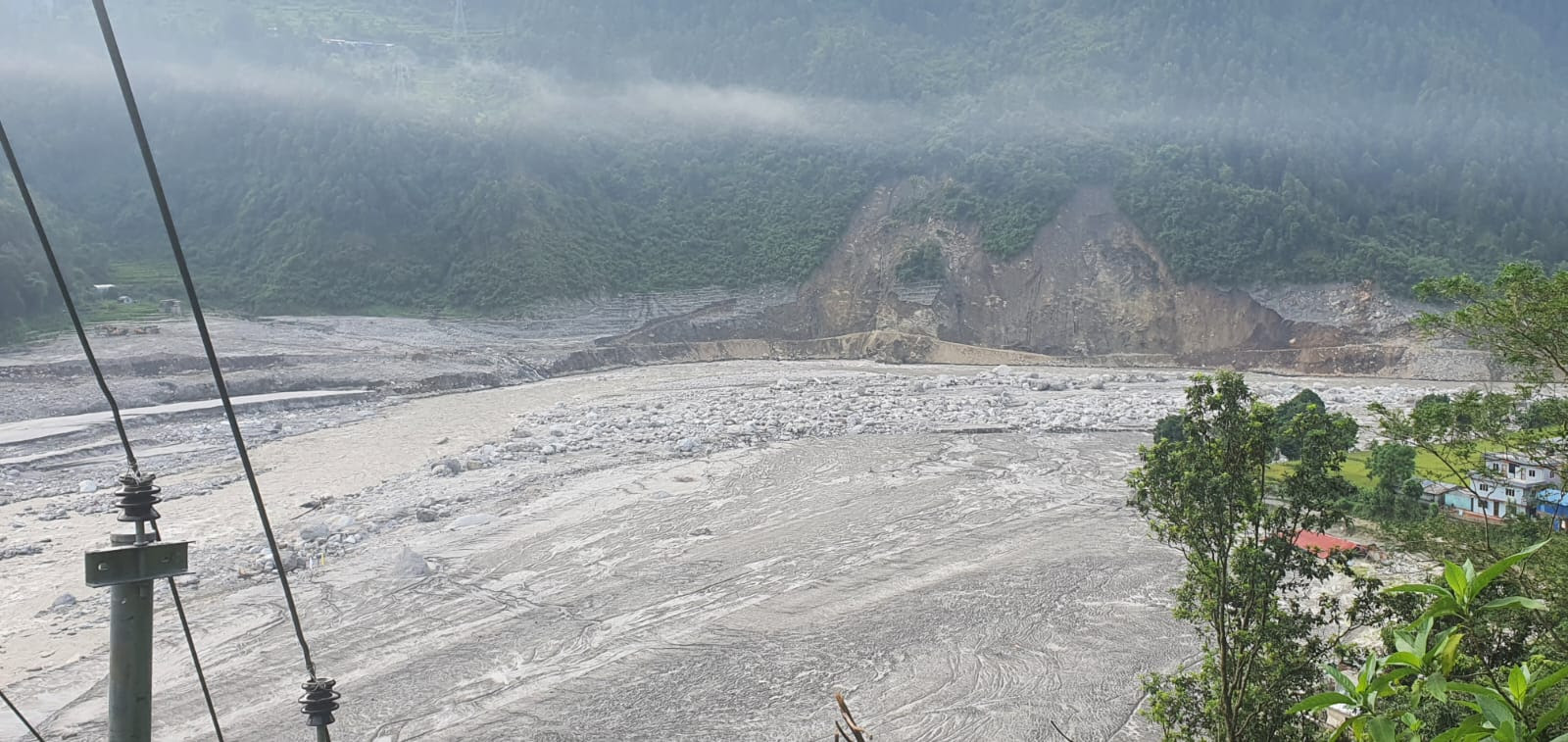
Our hearts were equally heavy as we reflected on the devastation affecting Betrawati, also known as Uttar Gaya, in Nuwakot district.
Betrawati is not simply another settlement beside a river. It is a place of religious, cultural, historical, and geographical significance. Situated around the confluence of rivers, including the Trishuli, it is known as an important Hindu pilgrimage destination associated with sacred rites for deceased family members.
For generations, pilgrims have travelled to Betrawati to perform religious ceremonies and ancestral rites, particularly rituals associated with honouring and remembering those who have died. Its identity as Uttar Gaya gives it special significance for devotees who come seeking spiritual merit, remembrance, and religious observance.
Betrawati also occupies an important position along the northern travel corridor from Kathmandu toward Nuwakot and Rasuwa. Travellers, traders, pilgrims, and visitors pass through this region on their way toward the Himalayan districts.
For many people, Betrawati has been a place of faith, tradition, community life, and livelihood. Its religious significance has brought pilgrims, while its location has connected it to wider travel and tourism routes.
Yet the flood has brought a devastating new reality to this sacred and historic area.
The same rivers that have shaped the region’s geography and spiritual identity became part of a destructive force that swept through settlements and infrastructure. The disaster affected homes, access routes, and the everyday lives of people whose families had lived and worked in the area for years.
It is deeply painful to contemplate a place associated with remembrance and religious pilgrimage becoming a place where families themselves are now confronted with overwhelming loss.
For the residents of Betrawati, recovery means far more than repairing buildings. It means restoring homes, livelihoods, community connections, and the confidence to rebuild their future.
4. A Gateway to the Himalayas: Ganesh Himal, Langtang, and Gosaikunda
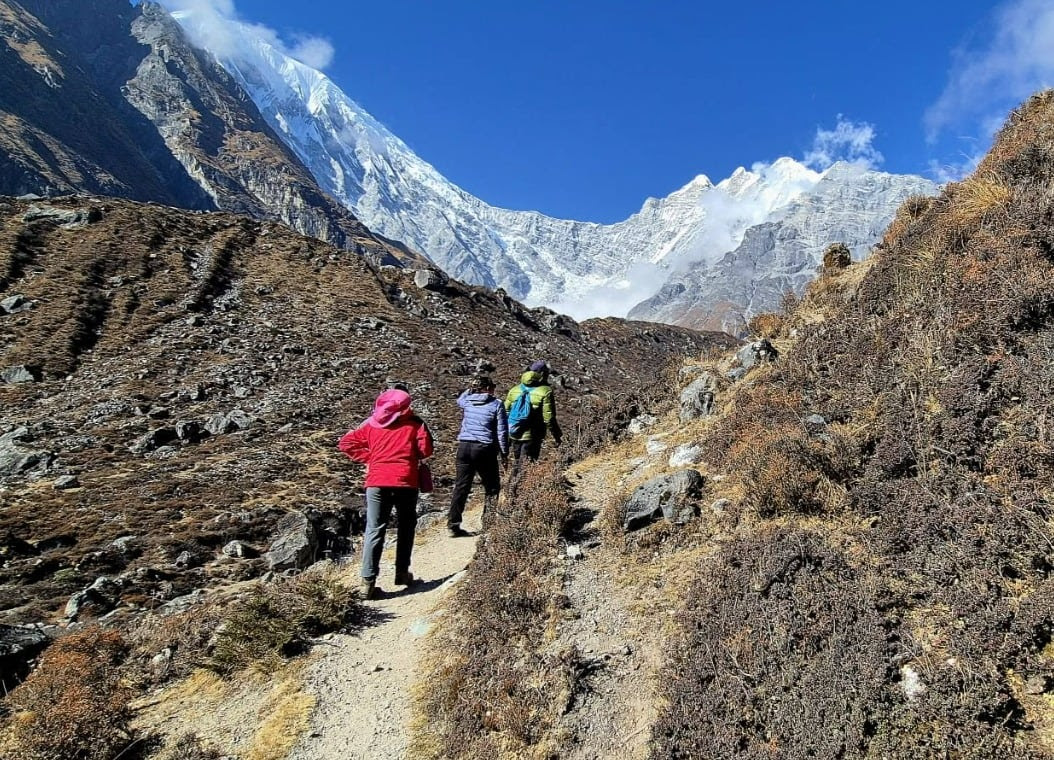
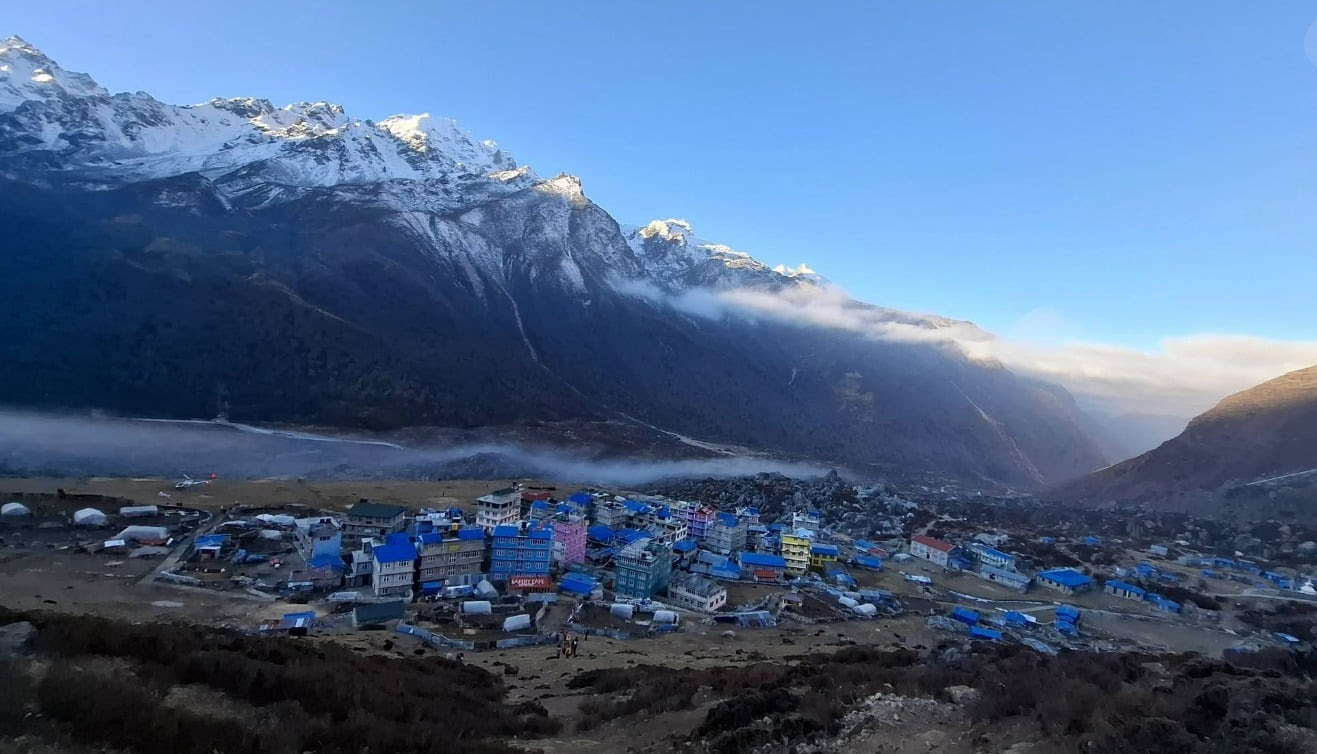
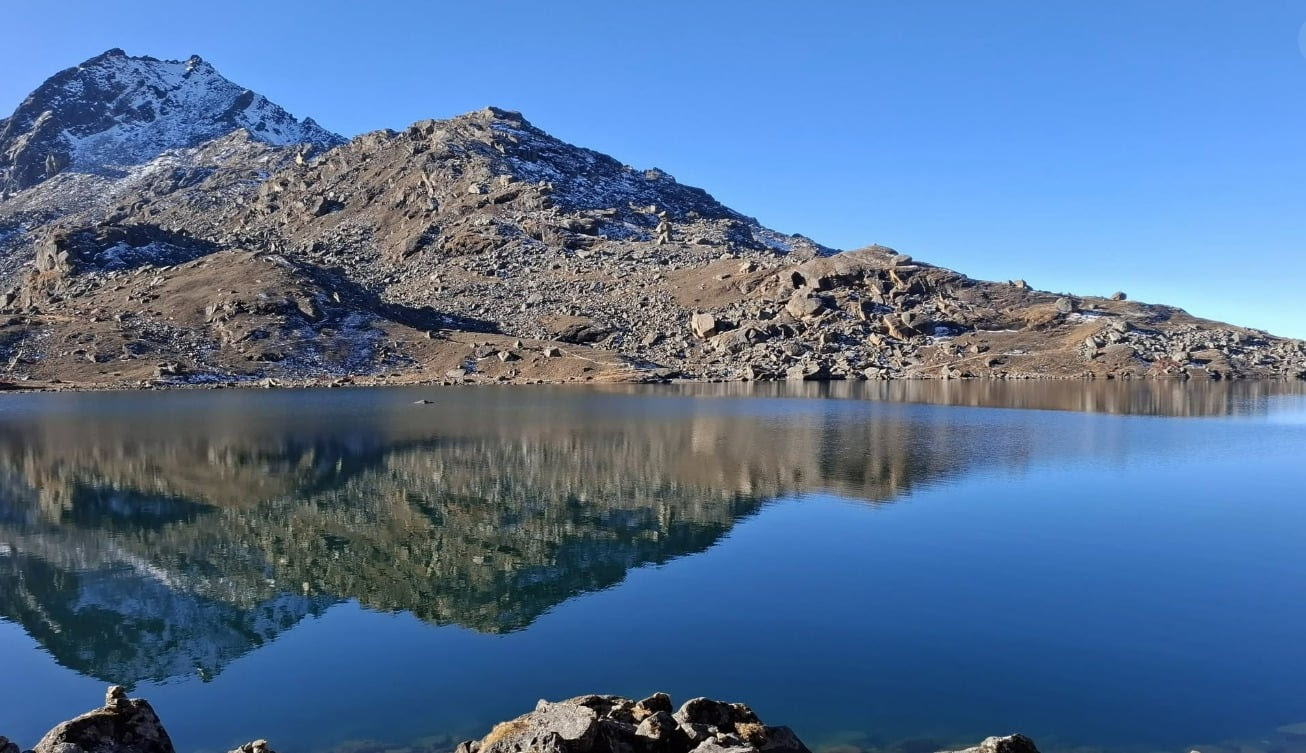
The tragedy is even more significant when we consider the wider importance of this region to Nepal’s tourism and trekking industry.
The Trishuli–Betrawati–Rasuwa corridor has long served as an important route from Kathmandu toward the northern Himalayas. It connects travellers to the landscapes, communities, and mountain destinations associated with Langtang, Ganesh Himal, and the sacred lakes of Gosaikunda. The Nepal Tourism Board describes the Trishuli corridor as an important historic trade route through the mountains between Ganesh Himal and Langtang Himal toward Kerung in Tibet.
Ganesh Himal and Langtang Himal are renowned for their mountain scenery, high ridges, traditional settlements, forests, and opportunities for trekking and cultural exploration. The region attracts visitors seeking Himalayan landscapes, mountain views, local hospitality, and experiences beyond the major cities.
Gosaikunda, situated high in the Langtang region at approximately 4,380 metres, is one of Nepal’s most revered alpine pilgrimage destinations. According to Hindu tradition, the sacred lake is associated with Lord Shiva. Every year, especially during the Janai Purnima festival, pilgrims make the challenging journey to the lake for religious observances and ritual bathing. The wider area also attracts trekkers interested in alpine lakes, mountain trails, and panoramic views of the Himalayas.
Before the disaster, these routes helped sustain a wider network of local livelihoods. Hotels, guesthouses, restaurants, tea shops, transport operators, guides, porters, small retailers, and other tourism-related businesses benefited from travellers moving through the region.
Local people were not merely living beside a travel route. Many were part of the tourism economy, providing services and welcoming visitors from across Nepal and around the world.
International trekkers and domestic travellers came to experience the mountains, while pilgrims travelled for spiritual reasons. For many visitors, the journey began long before reaching the mountains themselves, passing through towns and settlements such as Trishuli Bazaar and Betrawati.
Now, the disaster has severely disrupted this interconnected landscape.
Damaged roads, bridges, trails, and tourism infrastructure have affected access to some destinations. Businesses that once depended on the movement of visitors face uncertainty, while families who relied on tourism income must confront the loss of both property and opportunity. The Nepal Tourism Board and tourism-sector representatives have documented serious damage to tourism infrastructure and businesses across the affected region.
What has been damaged, therefore, is not only a road or a trekking trail. It is part of the connection between local communities, Nepal’s natural heritage, its pilgrimage traditions, and the international visitors who came to experience them.
A region once associated with adventure, spiritual journeys, hospitality, and breathtaking mountain scenery is now also associated with grief, destruction, and the difficult work of recovery.
5. The People: The Most Painful Part of What We Witnessed.
Although the destruction of the landscape was overwhelming, the people remained at the centre of our hearts.
Behind every destroyed house is a family. Behind every lost business is a livelihood. Behind every missing person is a loved one waiting for news. Behind every damaged community is a history of hard work, sacrifice, and hope for the future.
Imagine parents who worked for decades to build a home for their children, only to lose it in a few moments. Imagine children who no longer have their familiar beds, books, clothes, or the place where they once felt safe. Imagine shopkeepers who invested their savings into a small business, now facing an uncertain future.
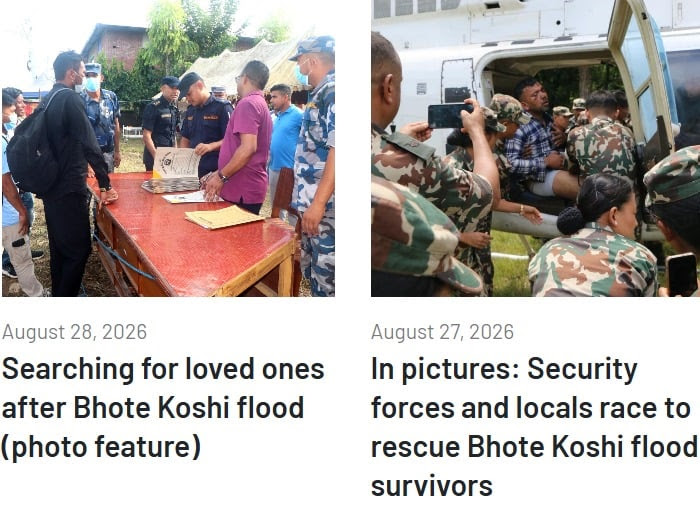
Some families have lost their loved ones. Others are still waiting for news of missing relatives. Many survivors must somehow find the emotional strength to continue while trying to secure food, shelter, clothing, and the basic necessities of life.
The scale of the tragedy is difficult to put into words. According to figures reported by Nepal’s Ministry of Foreign Affairs on 13 October 2026, 1,455 bodies had been recovered and approximately 5,285 people remained missing at that time. These were figures from a particular stage of the search and rescue operation, and the numbers continued to change as authorities worked to identify victims and locate missing people.
Such figures are devastating, but numbers alone cannot communicate the depth of human suffering.
When we stand before the remains of a community, we are reminded that every life has value. Every person had a name, a family, a story, and a future they once imagined.
The people who survived are not simply trying to recover their possessions. Many are trying to comprehend how the lives they knew could disappear in such a short time.
Their suffering calls for more than sympathy from a distance. It calls for compassion that moves us to act.
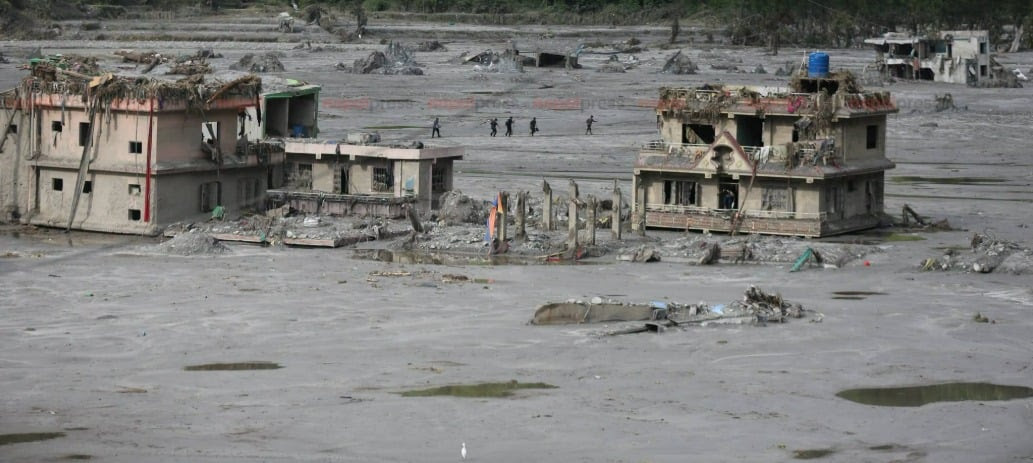
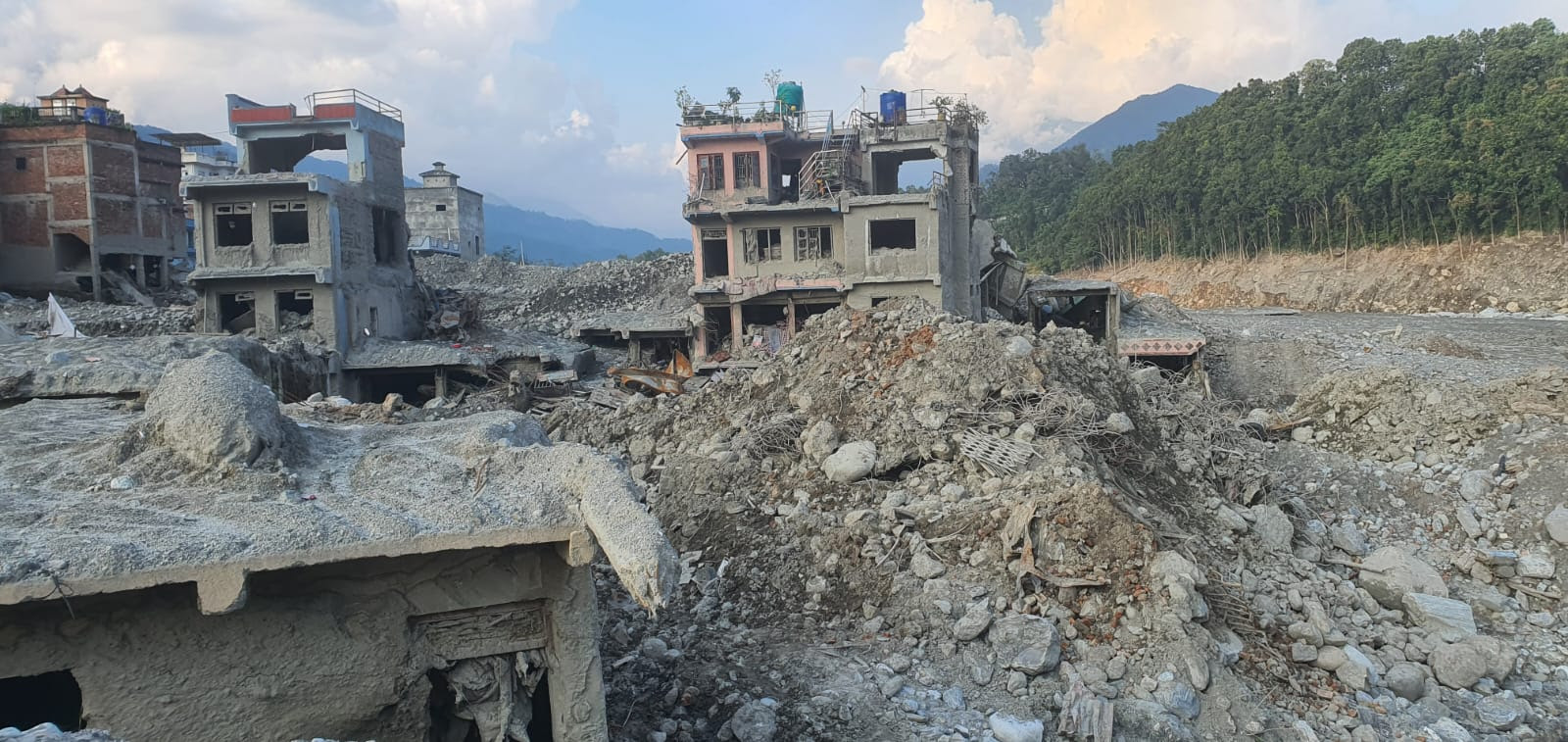
6. We Came with Limited Relief Supplies, but with a Heart to Serve
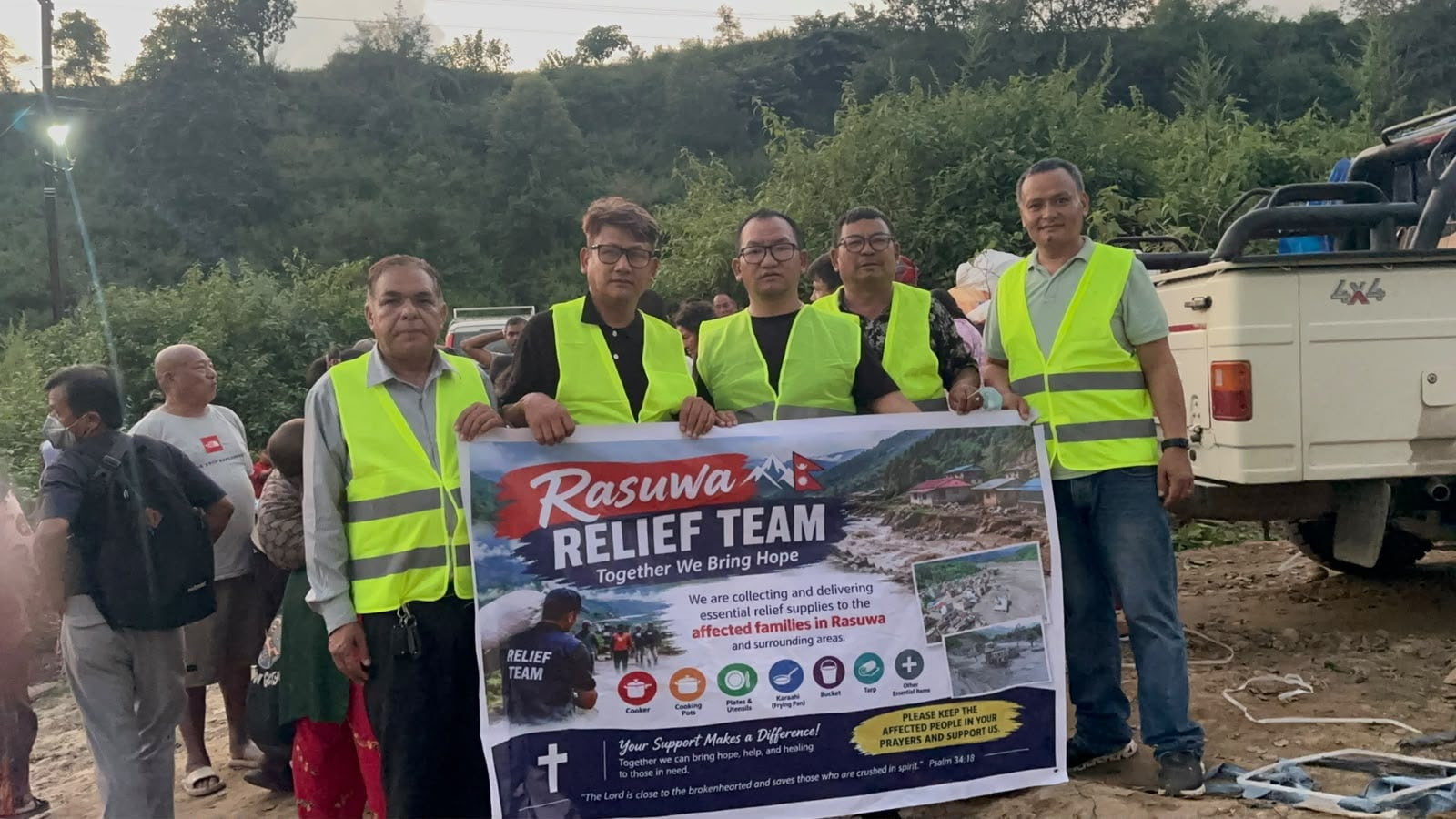
We travelled to the affected area with the relief supplies that Ark of Hope was able to arrange through the support and generosity of friends and partners.
We knew that our contribution was small compared with the enormous needs of the affected communities. We could not rebuild the destroyed homes, restore every business, replace everything that had been lost, or take away the pain of those grieving for their loved ones.
But we could go. We could stand beside the people. We could share what we had. And we could remind them that they had not been forgotten.
We distributed the relief supplies we had brought, hoping that this modest assistance would help meet some immediate needs and offer encouragement to families struggling to find their footing again.
As we looked at the devastation around us, we realised that relief work is not simply about the number of items distributed or the monetary value of what we give.
Food and essential supplies matter. Clothing and blankets matter. Shelter and medical assistance matter. But so do human presence, compassion, encouragement, and dignity.
Sometimes, people need to know that others have not turned away from their suffering. They need to know that someone is willing to travel to them, see their condition, listen to their pain, and share what is available.
Our relief supplies were limited, but our desire to bring hope was sincere. We could not restore the homes they had lost, but we wanted to help them feel that they had not lost the care and compassion of others.
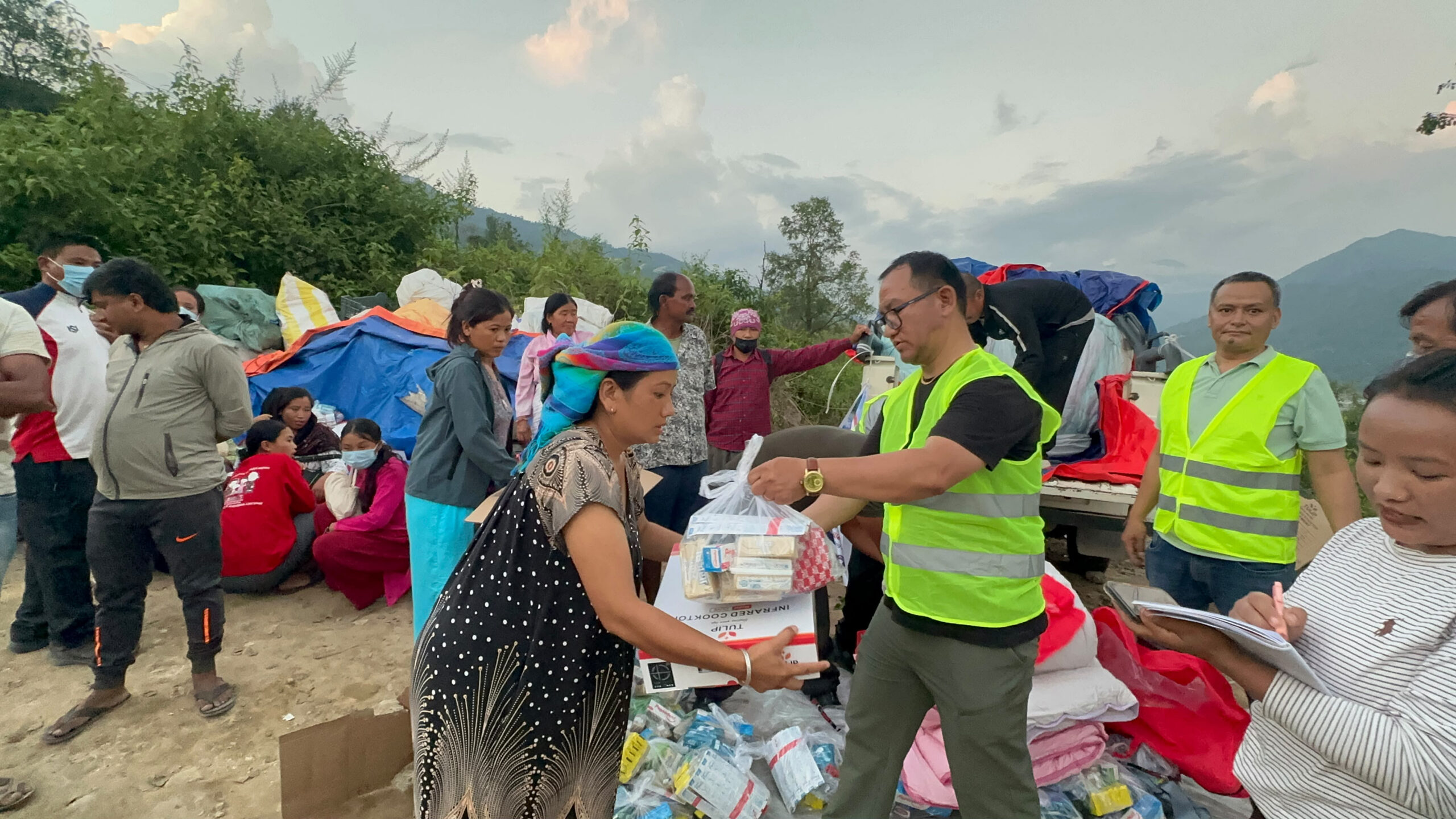
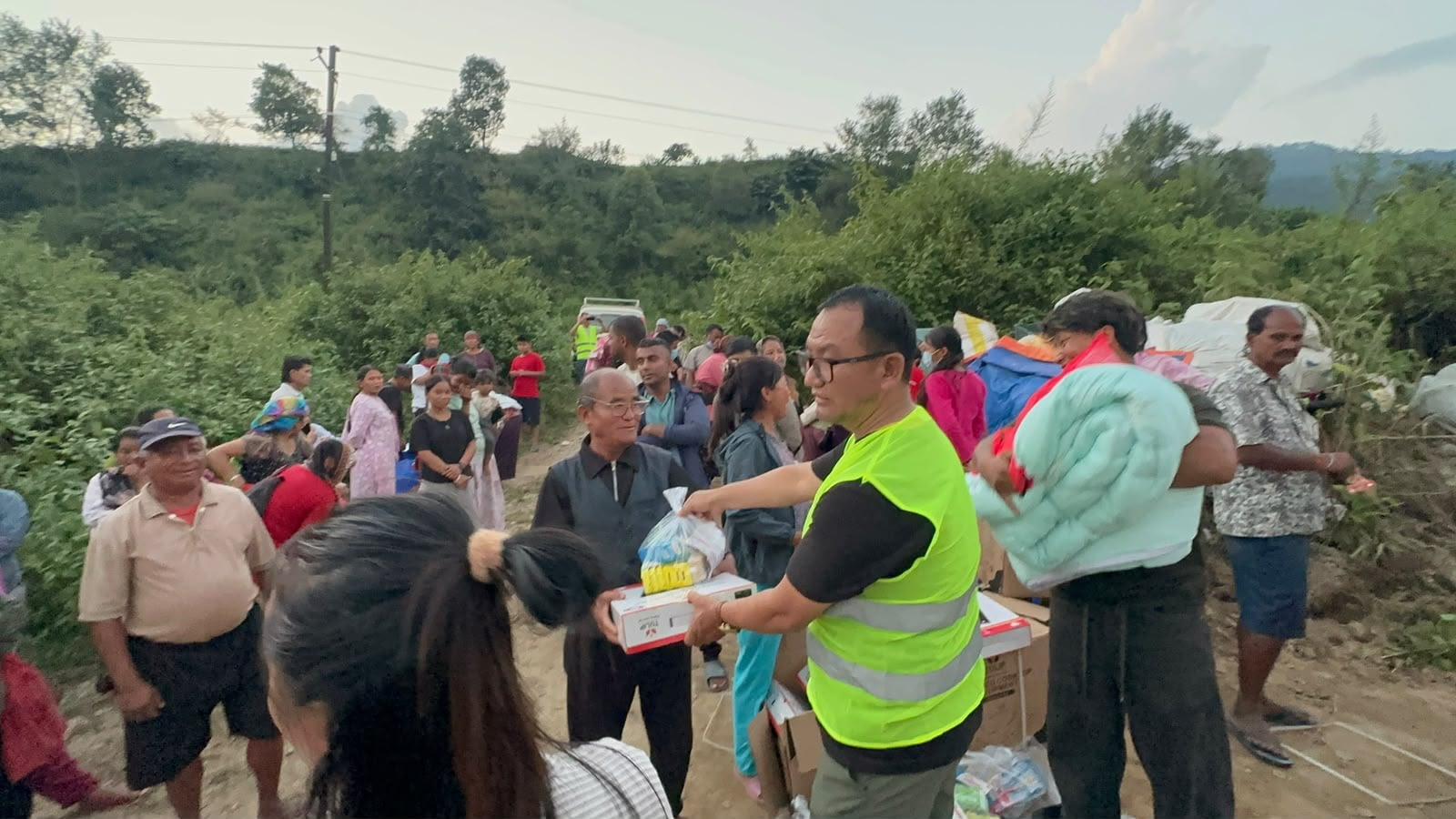
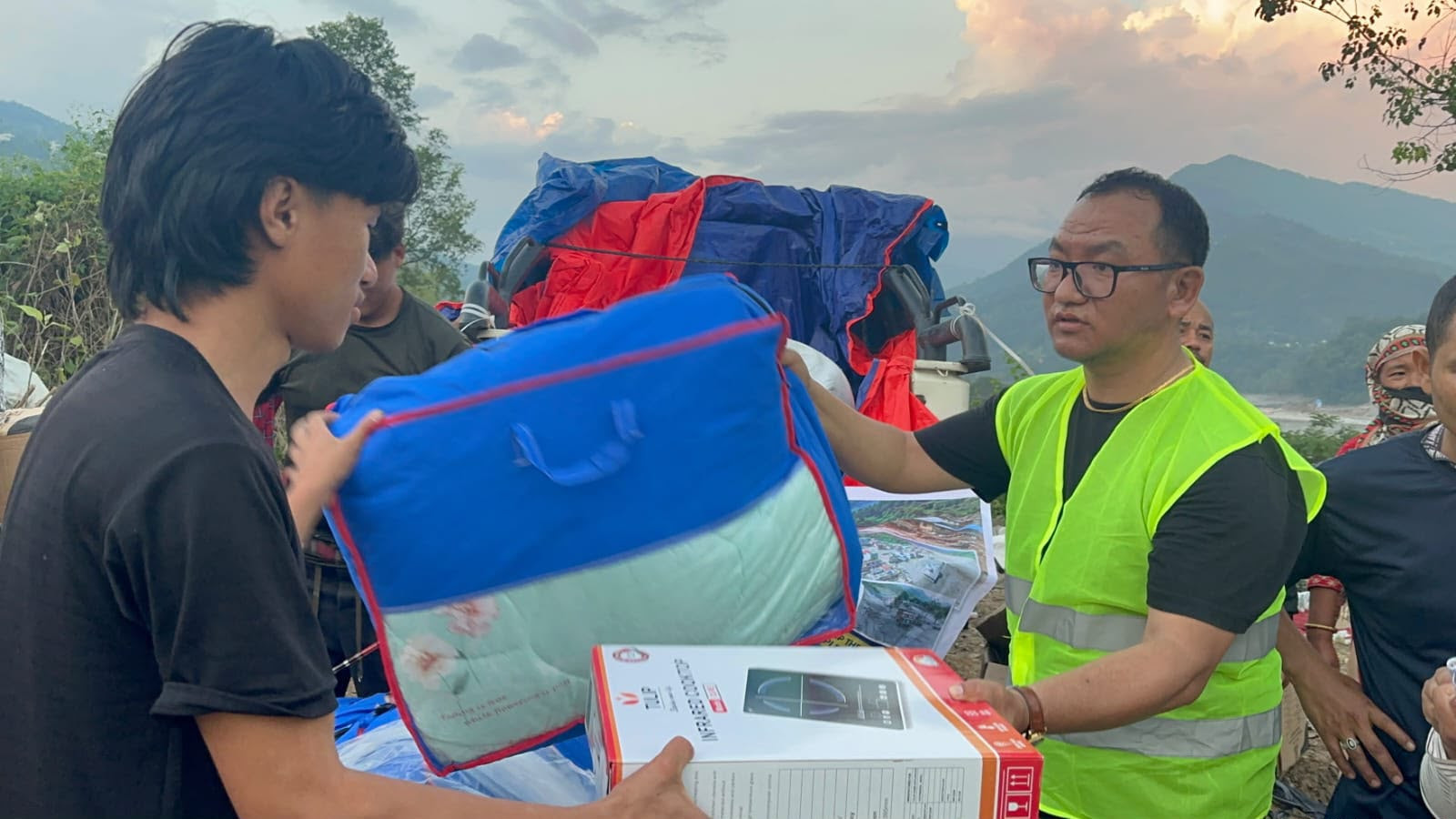
We did not go because we had enough to solve every problem. We went because the needs were great, and we believed that even a small act of love could make a difference.
7. Relief Is About Restoring Hope and Dignity
This visit reminded us that humanitarian service must reach beyond the distribution of material supplies.
When a person loses a home, they lose more than a building. They may lose the place where their children grew up, where family celebrations took place, and where years of memories were made.
When a family loses its livelihood, it loses more than income. It may lose its confidence, independence, and sense of security about tomorrow.
When a community is devastated, people need more than physical reconstruction. They need opportunities to rebuild relationships, recover their dignity, regain their livelihoods, and believe that a better future is still possible.
We recognize that hope cannot be delivered in a bag, and grief cannot be removed by a single visit. Recovery requires time, resources, cooperation, and sustained support.
Nevertheless, a small act of kindness can become a reminder that suffering does not have to be faced alone.
A modest contribution may help a family through a difficult day. A compassionate conversation may encourage someone who feels overwhelmed. A visit may remind a person who has lost almost everything that their life still matters.
We pray that the relief we distributed will serve not only as practical assistance but also as a message of solidarity: You are not forgotten. Your suffering matters. Your life has value. And you do not have to face this journey alone.
8. Why Ark of Hope Responds ?
At Ark of Hope, we believe that our responsibility is not simply to speak about compassion but to demonstrate it through practical service.
Our mission is rooted in the belief that every human being deserves care, dignity, and respect, especially during times of crisis.
Jesus said in Matthew 5:16:
“Let your light shine before others, that they may see your good deeds and glorify your Father in heaven.”
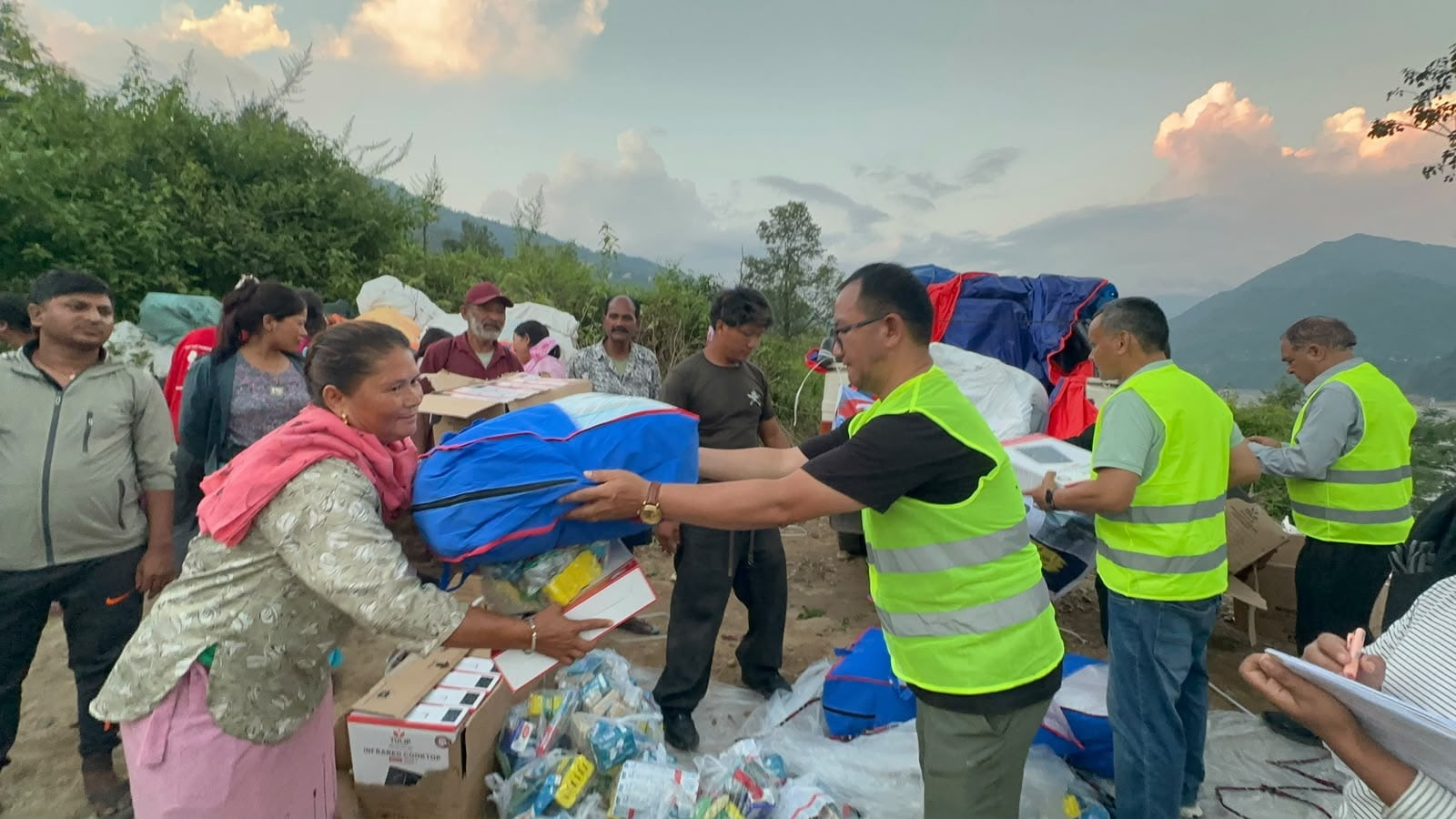
This teaching reminds us that genuine faith should be expressed through actions that bring comfort, help, and encouragement to others.
We know our resources are limited. We cannot respond to every disaster or meet every need. Yet we believe that what we have should be used faithfully to serve those who are vulnerable and struggling.
Our visit to the Bhote Koshi–Trishuli region was one small expression of that commitment.
We went to see the situation firsthand, to distribute the relief supplies available to us, and to stand in solidarity with people whose lives had been profoundly affected.
We extend our heartfelt gratitude to everyone who contributed to this relief effort through practical assistance, professional service, financial generosity, prayer, and encouragement.
Every act of support helped make this response possible.
9. A Call to Remember and Continue Supporting the Affected Communities
As time passes, public attention may move to other events, but the needs of the affected families will remain.
The rebuilding process will require sustained effort. People will need safe housing, food, clothing, healthcare, education for their children, restoration of livelihoods, and assistance in rebuilding their communities.
The tourism sector will also need support to recover, repair infrastructure, restore safe access, and rebuild the confidence of travelers. For communities whose livelihoods depended on tourism, recovery of the wider regional economy is closely connected to their ability to begin again.
We encourage churches, organizations, individuals, and friends of Ark of Hope to continue remembering these communities and to support credible relief and recovery efforts according to their ability.
Let us not forget the families who are still grieving. Let us not overlook those who have lost their livelihoods. Let us continue to care for those who have been displaced and to support efforts that help communities recover safely and sustainably.
Every contribution matters when it is given with sincerity, managed responsibly, and directed toward genuine needs.
10. Our Reflection: We Went to Give, but We Returned with a Deeper Understanding